Buying Professional Artillery Shells Online: 2026 Guide
Updated: Oct 1
Table of Contents
What You're Actually Buying: Canister Shells vs Ball Shells
Reloadable Kits and Shell Diameter: What Fits Your Mortar Tubes
1.4g vs 1.3g Fireworks Regulations: What You Can Legally Order
How to Set Up a Professional Mortar Rack Before Your Show
Fireworks Safety and Display Distance Requirements
Shipping, Delivery, and State Restrictions for Artillery Shells Online
Duds, Returns, and Quality Control When Buying Artillery Shells Online
Frequently Asked Questions
Last Updated: September 23, 2026
What You're Actually Buying: Canister Shells vs Ball Shells
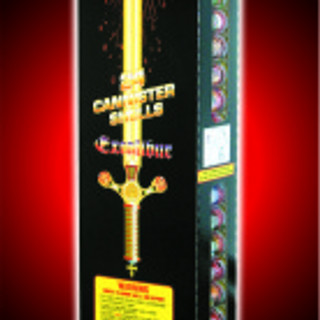
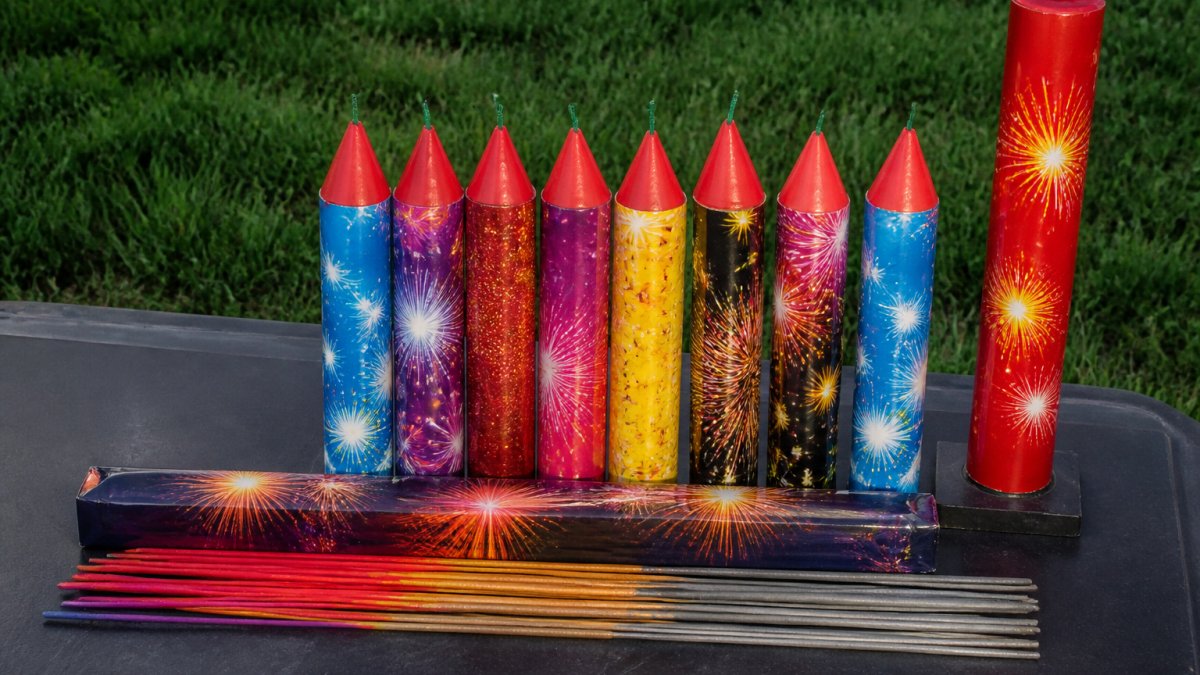
Buying professional artillery shells online starts with knowing the two main formats you'll see in every listing. Canister shells are cylindrical tubes packed with more pyrotechnic composition, which is why they hit harder and break wider. Ball shells are spherical, lighter, and typically fly higher before breaking.
The practical difference matters. Canister shells produce dense, low-altitude breaks with loud reports. Ball shells trade some payload for altitude and a more traditional starburst pattern. Most backyard shows mix both.
A common mistake is assuming "professional" means military-grade. It doesn't. In the consumer market, it describes higher powder loads and tighter quality control, not restricted ordnance. The Consumer Product Safety Commission fireworks regulations govern what consumer shells can legally contain.

Reloadable Kits and Shell Diameter: What Fits Your Mortar Tubes
Reloadable mortar kits let you reuse the tube and swap in fresh shells, which cuts cost per shot dramatically. The catch is diameter.
Shell diameter must match your mortar tube exactly. The common sizes are 1.75 inches for consumer reloadables and larger formats for display work. A shell that doesn't seat properly can misfire or burst in the tube.
What most guides miss is that tube length matters as much as diameter. A longer tube gives the lift charge more runway, which means higher, safer breaks.
Pro Tip Measure your existing tubes before ordering shells. A caliper reading of the inner diameter beats eyeballing it every time, and it prevents the most common return reason on reloadable orders.
1.4g vs 1.3g Fireworks Regulations: What You Can Legally Order
The 1.4g vs 1.3g distinction decides what ships to your door, and it is the single most misunderstood part of buying artillery shells online. 1.4G fireworks are consumer-grade, contain limited powder, and move through standard ground shipping channels under federal hazardous materials rules. 1.3G fireworks are professional-grade display shells with far larger powder loads, and they require federal licensing to purchase, transport, and store.
For most buyers, 1.4G is the ceiling. The 60-gram powder limit per shell is the line regulators draw for consumer aerial products. That limit is not arbitrary, it is tied to the explosive weight thresholds that keep consumer shells in the lower hazard classification.
If you want 1.3G material, you need an ATF license and compliant storage. That means a licensed magazine, not a garage shelf. The Bureau of Alcohol, Tobacco, Firearms and Explosives explosives licensing governs the federal permit process, and the Pipeline and Hazardous Materials Safety Administration hazmat shipping rules controls how those shells move once you have them.
Attribute | 1.4G Consumer | 1.3G Professional |
Powder load | Up to 60 grams | Well above consumer limits |
License needed | None | Federal license required |
Shipping | Standard carriers | Restricted channels |
Storage | Original packaging, dry location | Licensed magazine |
Typical buyer | Backyard shows | Licensed display operators |
What most guides skip is the state layer. Federal law sets the floor, but states set their own ceiling. Some states ban consumer aerial shells entirely. Others restrict shell diameter, permit only certain holidays, or require local fire marshal sign-off. A few allow purchase but ban possession within city limits. This is why the same cart can check out for one address and get blocked for another.
Watch Out Never assume a shell is legal to ship just because a website lists it. Verify your state and local rules before ordering, and confirm the seller checks eligibility at checkout rather than after payment.
A practical rule: if a listing does not state the shell's classification and powder weight, treat it as unverified. Reputable sellers publish both because they know buyers need them for compliance.
How to Set Up a Professional Mortar Rack Before Your Show
Setting up a mortar rack safely takes about 20 minutes for a standard 12-tube rack, and the sequence matters more than the speed.
Pick level ground with clear overhead space and no dry vegetation nearby.
Place the rack so tubes angle slightly away from the audience.
Secure the rack with stakes or sandbags so recoil can't tip it.
Check every tube is dry, undamaged, and free of debris.
Run your fuse line so each shell ignites in sequence, not simultaneously.
Keep a charged hose and a bucket of water within arm's reach.
Load shells only when you're ready to fire, never hours ahead.
The thing nobody tells you about rack setup is that wind direction changes your plan. Check it twice before you stake anything down.
Fireworks Safety and Display Distance Requirements
Fireworks safety and display distance requirements come down to one rule: the bigger the shell, the further back the crowd. Consumer aerial shells generally call for a minimum spectator distance that scales with shell size, and the National Fire Protection Association codes and standards outline the separation distances display operators follow.
For a backyard show, a common approach is to keep spectators at least as far back as the shell's advertised break height. When in doubt, add distance.
Watch Out Never hand-light a shell and stand directly over the tube. Lean away, light the fuse at arm's length, and retreat immediately. A shell that cooks off early in a tube you're standing over is the most preventable injury in home displays.
Shipping, Delivery, and State Restrictions for Artillery Shells Online
Shipping regulations for artillery shells online are stricter than for most products. Consumer fireworks move through approved carriers under federal rules, and many states layer their own restrictions on top.
Before you order, confirm three things:
Your state permits consumer aerial shells at all
Your local ordinances don't ban them within city limits
Your address is eligible for home delivery, or you need warehouse pickup
This is where a lot of buyers get burned. They fill a cart, then hit a checkout block. Reputable sellers verify eligibility early.
Key Takeaway Always check delivery eligibility before building a large order. A quick address check saves you from a cancelled order and a refund delay right before your event.
Duds, Returns, and Quality Control When Buying Artillery Shells Online
Quality control is the real risk with online ordering, and it is where a trusted seller earns repeat business. Legitimate consumer shells carry proper labeling and lot information. Knockoffs often skip both, which makes tracing a bad batch impossible.
When a shell fails to fire, the standard practice is to wait at least 15 to 20 minutes, then soak the dud in water before disposal. Never relight a fuse that has already burned, and never look down the tube to inspect a shell that did not launch. The Consumer Product Safety Commission fireworks safety guidance treats delayed ignition as one of the leading causes of preventable injury.
A dud is not always the shell's fault. Common causes include:
A damp tube or shell that absorbed moisture in storage
A fuse that was pinched or bent during shipping
A lift charge that was underloaded at the factory
A tube that was too short for the shell's lift charge
If you get more than one dud in a case, stop firing that batch. Note the lot number, photograph the packaging, and contact the seller.
Pro Tip Keep the original packaging and lot sticker until you have fired the whole case. It is the fastest way to get a replacement or refund if something goes wrong.
A common mistake is buying from listings with no return policy. If a case arrives with damaged tubes or misfires, you want a seller who stands behind the product. Look for clear language on damaged-in-transit claims, dud replacement, and whether returns are accepted on opened cases. Fireworks are hazmat, so returns are never as simple as mailing a box back, a good seller explains the process up front.
Frequently Asked Questions
What is the difference between consumer and professional artillery shells?
Consumer shells (1.4g) hold up to 60 grams of pyrotechnic composition per shell and are sold without an ATF license. Professional display shells (1.3g) exceed that limit and require federal licensing plus a licensed operator to fire. For backyard shows, 1.4g canister and ball shells are the practical choice. Buying professional artillery shells online at the 1.3g tier means verifying your license and local permits before checkout.
Is it legal to buy professional-grade fireworks online?
It depends on what you're buying and where you live. Consumer 1.4g artillery shells can be shipped to many states, but some states and counties ban them entirely or restrict specific shell types. Professional 1.3g fireworks require an ATF license and typically a state permit to purchase and fire. Always check your state fire marshal's rules and confirm the seller ships to your ZIP code before placing an order.
What are the shipping regulations for buying fireworks online?
Consumer fireworks ship as hazardous materials under DOT rules, so carriers charge a hazmat fee and require an adult signature on delivery. Sellers must verify your address is in an eligible state or county. Delivery windows are usually 3 to 7 business days, but plan extra lead time around the Fourth of July and New Year's Eve when volume spikes. Ask the seller for a delivery guarantee if your event has a fixed date.
Are reloadable artillery shells better than pre-fused cakes?
Reloadable kits give you more control: you choose the shell, the tube, and the timing, and you can reload tubes for a longer show. Pre-fused cakes fire a fixed sequence with one ignition, which is simpler but less flexible. For a backyard show, reloadable mortar kits paired with a few multi-shot cakes usually deliver the best mix of variety and reliability.
Planning a display means balancing performance, legality, and delivery timing, and getting any one wrong can derail the whole event. Best Fireworks Stores takes the guesswork out of buying professional artillery shells online with nationwide delivery, warehouse pickup, and wholesale cases shipped to your door. Order anytime through our 24/7 platform and get the selection you need, delivered where allowed.
Get Started Today

Comments